
How Do Porta Potties Work On the Inside?
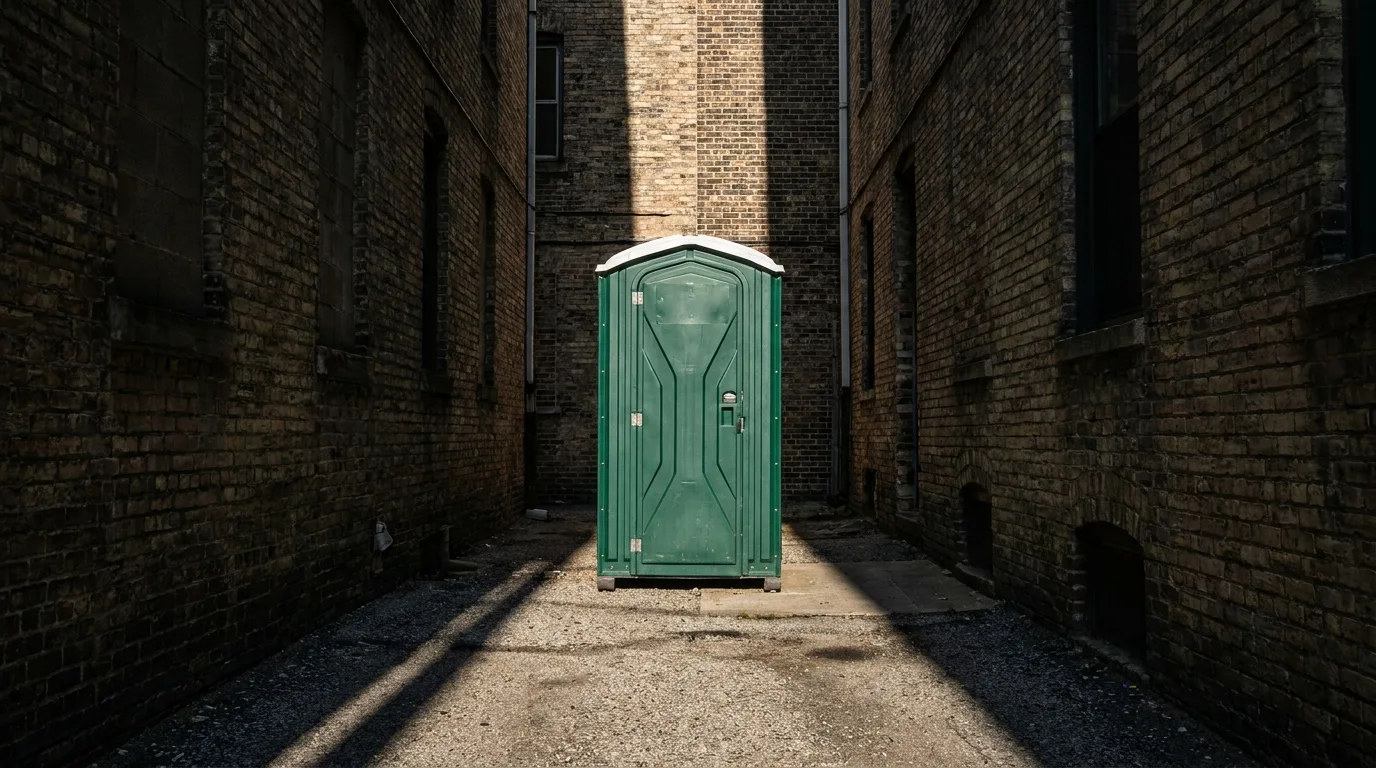
Under the seat is a holding tank, typically 60 to 70 gallons on a standard porta potty rental, sitting inside a molded plastic shell about 44 by 48 inches on the ground and roughly 92 inches tall. There is no flush mechanism on a standard unit. Waste drops straight into the tank, where a blue chemical treatment breaks down solids and holds down odor until the next pump-out. That is the whole system. A vent stack pulls air up and out so the inside does not build up smell between visits. For a construction worker on a Camarillo job site walking to a portable toilet rental between tasks, the unit works the same whether it is day one or week six, as long as service stays on schedule. ANSI/PSAI Z4.3, the industry service standard, sets a baseline of one service visit per week for up to 10 users across a 40 hour week, which is why crews see a truck rotate through the porta john rental lineup on a set day. Curious what happens under heavier use? The porta potty rental checklist covers how to plan service frequency around headcount.
How Do Flushable Porta Potties Work?
A deluxe flushable porta potty adds a small onboard freshwater tank and a foot pump or hand pump that pushes a rinse of water through the bowl after each use, similar to how a portable sink rental uses a foot pump to run water over a basin instead of a faucet line. The waste still collects in a holding tank below, just like a standard unit, but the flush cuts down what is visible and knocks back odor between services. These run from 85 dollars a day up toward 1,200 for high-end weekly events, depending on features and rental length, and they show up most often at weddings, private events, and anywhere guests expect something closer to a home bathroom. Camarillo hosts events that call for exactly this upgrade, and an ADA accessible porta potty can be paired with deluxe units so an accessible option sits in the same cluster. ADA Standards section 213.2 requires that where single-user portable toilets are clustered, at least 5 percent, and never fewer than one unit, be accessible. That rule matters for any event restroom rental with several units lined up.

Why Do Portable Toilet Chemicals Matter?
The blue liquid in a porta potty tank is a deodorizer and digester, breaking down waste and paper so the tank does not turn solid before the next service. It is a different product entirely from septic tank cleaning chemicals used in a home system, and the two should never be confused. A residential septic tank in Camarillo is typically pumped every 3 to 5 years, driven by tank size and household size, which is a routine service call rather than a chemical fix. Chemical additives marketed for septic tanks are not a substitute for pumping, and a technician handling septic pumping service or septic tank cleaning will tell you the same thing: chemicals manage odor and breakdown speed inside a porta potty tank, but a full septic tank still needs to be physically pumped. If your system shows backup, slow drains, or standing water, the septic tank warning signs page walks through what to watch for before calling for emergency septic service.
How Do Camping Porta Potties and Job Site Units Differ?
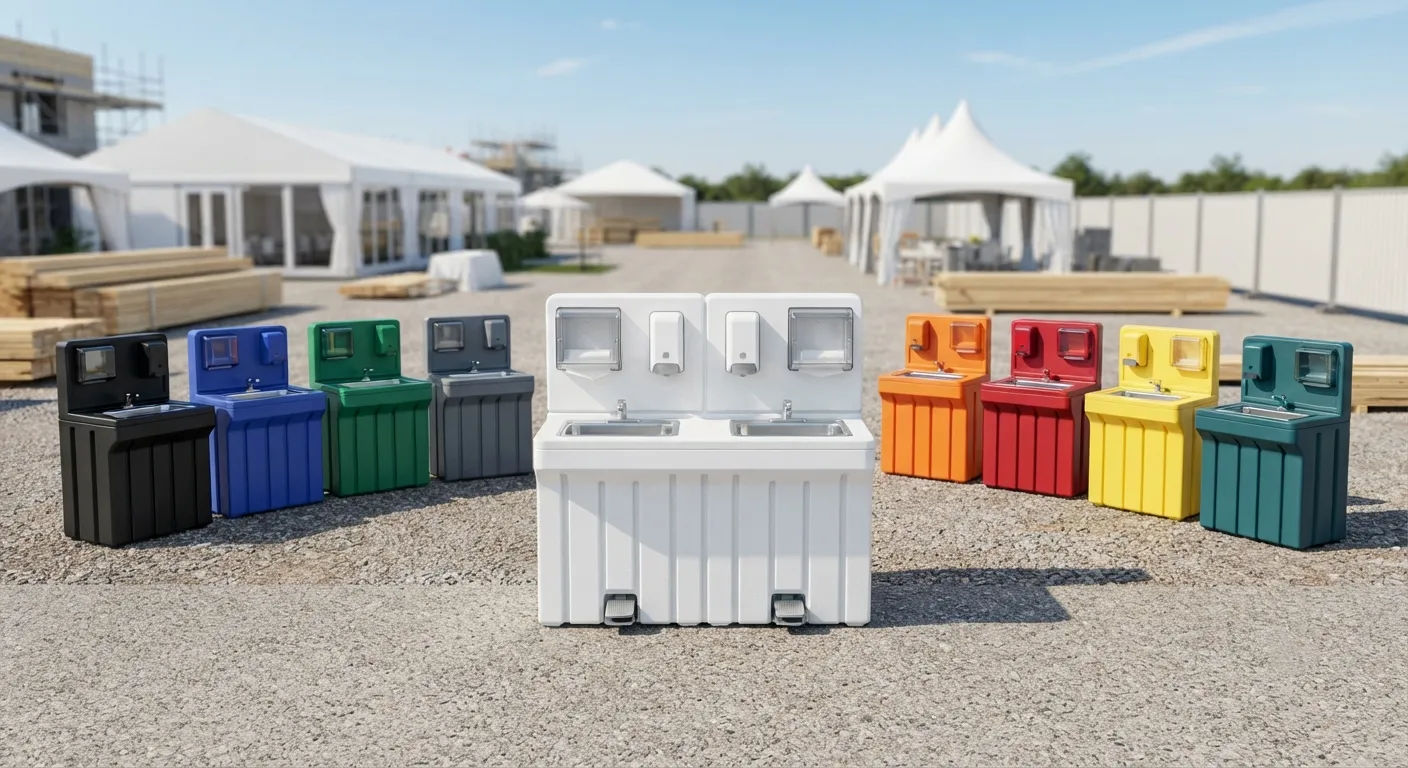
A unit dropped at a campsite and one bolted onto a construction schedule work on the same holding-tank principle, but the service math changes with headcount and hours. OSHA 1926.51(c) sets construction site ratios: one toilet for 20 workers or fewer, then one toilet seat and one urinal per 40 workers once the crew passes 20, and one per 50 once a site reaches 200 or more. A general contractor sizing a construction site services package in Camarillo uses that ratio to figure out how many stalls to order, not guesswork. Camping and rural placement, by contrast, is about ground access and distance rather than worker counts. For agricultural sites, OSHA 1928.110 sets a separate standard: field sanitation requires potable water, toilets, and handwashing within a quarter mile walk for hand-labor employees, one facility per 20 workers, which is the standard behind farm and agricultural restrooms. A home renovation porta potty sits closer to the camping case: one or two units, serviced weekly, no ratio math needed. Not sure how many units your job needs? How Many Porta Potties Do I Need walks through the math either way, and OSHA Portable Toilet Requirements covers the ratio table in full.
Do porta potties smell?
They can, mostly right after heavy use or on hot days before a scheduled service. The blue chemical treatment controls odor between visits, and a vent stack pulls air out of the tank. See Do Porta Potties Smell for what drives odor and how service frequency fixes it.
How often are porta potties cleaned?
ANSI/PSAI Z4.3 sets a baseline of one service visit per week for up to 10 users over a 40 hour week. High-traffic events or larger crews need more frequent visits. Full detail is on How Often Are Porta Potties Cleaned.
How does a portable sink work?
A portable sink holds fresh water in an upper tank and gray water in a lower tank, with a foot pump or hand pump pushing water through the faucet. No plumbing hookup needed. See Handwashing Station Rental for unit options.
What is the difference between a standard and deluxe unit?
A standard unit has no flush and no onboard water, just a holding tank and chemical treatment. A deluxe flushable porta potty adds a pump-flush and small freshwater reservoir. Deluxe units cost more and suit events over job sites.
Can I put porta potty chemicals in a septic tank?
No. Porta potty deodorizer is built for a sealed holding tank, not a septic system with a drain field. A backed-up or slow-draining septic tank needs pumping, not chemical treatment. Check Septic Tank Warning Signs before calling for service.
Next step
Get a delivery date
Tell us the address, the dates and the headcount. We size the order and confirm the route.